University campus in Oklahoma
Updated January 2026

Best Software Engineering Degree Programs in Oklahoma — 2026 Rankings

Compare the top software engineering colleges in Oklahoma. 11 accredited software engineering schools ranked by graduation rate, career outcomes, and value—from Seminole State College to University of Oklahoma-Norman Campus.

#1 ProgramU of Oklahoma-Norman
Avg Salary$89,340
Tuition From$3,210/yr
Job Growth+22%

Key Takeaways

Best software engineering degree programs: U of Oklahoma-Norman, U of Tulsa, Oklahoma State

Ranked by graduation rates, program outcomes, and institutional quality

IPEDS 2023

Tuition ranges from $3,210 to $46,932/year

Seminole State College offers the most affordable option at $3,210/yr

IPEDS 2023

Software Engineering degree programs available: 3 associate's, 5 master's, 2 doctoral in Oklahoma

From community college pathways to advanced research degrees

IPEDS 2023

Oklahoma community college transfer can save 40-60% on total degree costs

3 associate's programs provide transfer pathways to bachelor's degrees

Education Commission of the States

Major employers: Paycom, Devon Energy, ONEOK, Love's Travel Stops

Tech hubs in Oklahoma City and Tulsa

Hakia Research 2026

Software Engineering degree programs near 50+ cities across Oklahoma

Search by city to find programs within 200 miles of your location

IPEDS 2023

Updated February 2026

On This Page
$89,340
Are Software Engineering Degree Programs in Oklahoma Worth It?
Yes. The best software engineering degree programs in Oklahoma deliver strong ROI—graduates earn $89,340 median salary with +22% job growth through 2032. In-state tuition averages $13,219/year.

Source: BLS OEWS May 2024

Best Software Engineering Bachelor's Programs in Oklahoma, 2026

7
Programs
$89,340
Median Salary
$14,442/yr
Avg Tuition
86%
Avg Grad Rate

Rankings based on program completions, graduation rates, selectivity, and career outcomes. See our methodology

Program Landscape

Oklahoma ranks among the nation's top destinations for software engineering education, with 7 accredited bachelor's degree programs across 5 public and 2 private institutions. The highest-ranked programs are U of Oklahoma-Norman, U of Tulsa, Oklahoma State, recognized for academic excellence, research opportunities, and strong industry connections.

Career Outcomes

Graduates from Oklahoma software engineering programs earn a median salary of $75,939—23% below the national average. The state's robust technology sector, anchored by the Oklahoma City, Tulsa, Norman metropolitan areas, provides abundant internship and employment opportunities with companies including Paycom, Devon Energy, ONEOK.

Costs & Value

Tuition ranges from $5,070 to $46,932 annually, with an average of $14,442/yr. Top programs maintain graduation rates above 86%, with the highest reaching 88%. Many programs hold ABET accreditation, the gold standard for computing education, ensuring curriculum meets rigorous industry standards.

Curriculum & Specializations

Students can choose from specializations including software engineering, cybersecurity, artificial intelligence, data science, and systems architecture. Strong industry partnerships provide access to co-op programs, capstone projects with real companies, and direct recruiting pipelines to Oklahoma's leading technology employers. For students seeking software engineering degrees in Oklahoma, these top-ranked software engineering schools offer the strongest combination of academic rigor and career preparation.

Earn your bachelor's in Software Engineering

(Sponsored)

Loading programs...

🥇

University of Oklahoma-Norman Campus

Public
Norman, OK
$5,070
Tuition/yr
$169
Per Credit
88%
Grad Rate
77.6
Score
Website
🥈

University of Tulsa

PrivateNSA CAE
Tulsa, OK
$46,932
Tuition/yr
$1,564
Per Credit
58.1
Score
Website
🥉

Oklahoma State University-Main Campus

PublicNSA CAE
Stillwater, OK
$5,417
Tuition/yr
$181
Per Credit
83%
Grad Rate
58.6
Score
Website
#4

Cameron University

Public
Lawton, OK
$5,220
Tuition/yr
$174
Per Credit
47.3
Score
Website
#5

Northeastern State University

Public
Tahlequah, OK
$6,623
Tuition/yr
$221
Per Credit
47.3
Score
Website

Best Software Engineering Master's Programs in Oklahoma, 2026

5
Programs
$89,340
Median Salary
$23,267/yr
Avg Tuition
92%
Avg Grad Rate

Rankings based on program completions, graduation rates, selectivity, and career outcomes. See our methodology

Program Landscape

Oklahoma offers 5 master's degree programs in software engineering, designed for professionals seeking to advance into senior engineering, technical leadership, and specialized roles. The top programs—U of Oklahoma-Norman, Oklahoma Christian, U of Tulsa—combine advanced technical training with research opportunities and leadership development.

Career Outcomes

Master's graduates in Oklahoma earn a median salary of $89,340, approximately 20-30% higher than bachelor's degree holders. The concentration of technology companies in Oklahoma City, Tulsa, Norman creates strong demand for graduate-level talent, with Paycom, Devon Energy, ONEOK actively recruiting from these programs.

Costs & Value

Program formats include traditional full-time study (typically 2 years), part-time options for working professionals (2-3 years), and accelerated tracks. Tuition averages $23,267/yr, with many employers offering tuition reimbursement for graduate education. Some programs offer thesis and non-thesis tracks, allowing students to focus on research or professional development based on their career goals.

Curriculum & Specializations

Curriculum covers advanced topics including machine learning, distributed systems, software architecture, and technical management. Many programs include practicum experiences, industry capstone projects, or consulting engagements that provide real-world application of advanced concepts. Among Oklahoma's software engineering schools at the graduate level, these programs stand out for both academic quality and career outcomes.

Advance your career with a Software Engineering master's degree

(Sponsored)

Loading programs...

🥇

University of Oklahoma-Norman Campus

Public
Norman, OK
$5,070
Tuition/yr
$169
Per Credit
88%
Grad Rate
66.8
Score
Website
🥈

Oklahoma Christian University

Private
Edmond, OK
$24,550
Tuition/yr
$900
Per Credit
63.4
Score
Website
🥉

University of Tulsa

PrivateNSA CAE
Tulsa, OK
$46,932
Tuition/yr
$1,564
Per Credit
49.1
Score
Website
#4

University of Central Oklahoma

Public
Edmond, OK
$7,284
Tuition/yr
$243
Per Credit
45.1
Score
Website
#5

Oral Roberts University

Private
Tulsa, OK
$32,500
Tuition/yr
$1,342
Per Credit
96%
Grad Rate
39.9
Score
Website

Best Software Engineering Associate's Programs in Oklahoma, 2026

3
Programs
$89,340
Median Salary
$3,939/yr
Avg Tuition

Rankings based on program completions, graduation rates, selectivity, and career outcomes. See our methodology

Program Landscape

Oklahoma offers 3 accredited associate's degree programs in software engineering, providing an affordable entry point into the technology field. The top-ranked programs include Seminole State College, Rose State College, Murray State College, which combine rigorous technical curriculum with practical skills training.

Costs & Value

Community colleges in Oklahoma offer these two-year programs at an average cost of $3,939/yr—significantly less than four-year university tuition. Students completing associate's degrees can pursue entry-level technical positions and transfer opportunities, with entry-level salaries averaging $49,137 in Oklahoma.

Career Pathways

Many programs feature guaranteed transfer agreements with Oklahoma's public universities, allowing students to complete their first two years at reduced cost before transferring to complete a bachelor's degree. The Oklahoma City, Tulsa, Norman areas offer particularly strong job markets for associate's degree holders, with employers like Paycom, Devon Energy, ONEOK hiring for technical support, junior development, and IT specialist positions.

Curriculum & Specializations

Programs typically include coursework in programming fundamentals, database management, networking basics, and software development. Among software engineering schools in Oklahoma, these associate's programs offer the best value for students beginning their software engineering degrees in Oklahoma.

Start your Software Engineering career with an associate's degree

(Sponsored)

Loading programs...

🥇

Seminole State College

Public
Seminole, OK
$3,210
Tuition/yr
$180
Per Credit
45.2
Score
Website
🥈

Rose State College

PublicNSA CAE
Midwest City, OK
$3,778
Tuition/yr
$126
Per Credit
44.6
Score
Website
🥉

Murray State College

Public
Tishomingo, OK
$4,830
Tuition/yr
$140
Per Credit
40.8
Score
Website

Best Software Engineering Doctoral Programs in Oklahoma, 2026

2
Programs
$89,340
Median Salary
$26,001/yr
Avg Tuition
88%
Avg Grad Rate

Rankings based on program completions, graduation rates, selectivity, and career outcomes. See our methodology

Program Landscape

Oklahoma is home to 2 doctoral programs in software engineering, preparing students for research positions, faculty appointments, and executive technical roles. Leading programs at U of Oklahoma-Norman, U of Tulsa are recognized for cutting-edge research, strong faculty publications, and competitive funding packages.

Career Outcomes

Doctoral graduates command premium salaries, with Oklahoma PhD holders earning a median of $111,675—reflecting the advanced expertise required for research and executive positions. The Oklahoma City, Tulsa, Norman region's research universities and corporate R&D centers provide extensive collaboration opportunities with industry leaders like Paycom, Devon Energy, ONEOK.

Costs & Value

PhD programs typically require 4-6 years of full-time study, including coursework, qualifying examinations, and original dissertation research. Many programs offer full funding through teaching or research assistantships, covering tuition and providing stipends of $25,000–$40,000 annually.

Curriculum & Specializations

Research strengths across Oklahoma programs include artificial intelligence, cybersecurity, human-computer interaction, systems, and theoretical computer science. For aspiring researchers pursuing software engineering degrees in Oklahoma, graduates go on to careers as university faculty, industry research scientists, or technical executives, contributing to advances in technology that impact millions of users worldwide.

Reach the top of your field with a Software Engineering doctorate

(Sponsored)

Loading programs...

🥇

University of Oklahoma-Norman Campus

Public
Norman, OK
$5,070
Tuition/yr
$169
Per Credit
88%
Grad Rate
49.4
Score
Website
🥈

University of Tulsa

PrivateNSA CAE
Tulsa, OK
$46,932
Tuition/yr
$1,564
Per Credit
43.6
Score
Website

Complete Software Engineering Degree Program Rankings in Oklahoma

Best Associate's Software Engineering Degree Programs in Oklahoma

### Program Landscape Oklahoma offers **3 accredited** associate's degree programs in software engineering, providing an affordable entry point into the technology field. The top-ranked programs include **Seminole State College**, **Rose State College**, **Murray State College**, which combine rigorous technical curriculum with practical skills training. ### Costs & Value Community colleges in Oklahoma offer these two-year programs at an average cost of **$3,939/yr**—significantly less than four-year university tuition. Students completing associate's degrees can pursue entry-level technical positions and transfer opportunities, with entry-level salaries averaging **$49,137** in Oklahoma. ### Career Pathways Many programs feature guaranteed transfer agreements with Oklahoma's public universities, allowing students to complete their first two years at reduced cost before transferring to complete a bachelor's degree. The Oklahoma City, Tulsa, Norman areas offer particularly strong job markets for associate's degree holders, with employers like Paycom, Devon Energy, ONEOK hiring for technical support, junior development, and IT specialist positions. ### Curriculum & Specializations Programs typically include coursework in programming fundamentals, database management, networking basics, and software development. Among software engineering schools in Oklahoma, these associate's programs offer the best value for students beginning their software engineering degrees in Oklahoma.

  1. #1. Seminole State College

    Hakia ranks Seminole State College as the #1 associate's in software engineering degree program in Oklahoma. This public institution in Seminole, OK has annual tuition of $3,210 ($180/credit). Ranking score: 45.2.

  2. #2. Rose State College

    Hakia ranks Rose State College as the #2 associate's in software engineering degree program in Oklahoma. This public institution in Midwest City, OK has annual tuition of $3,778 ($126/credit). Ranking score: 44.6. NSA/DHS Center of Academic Excellence designation: CAE-2Y.

  3. #3. Murray State College

    Hakia ranks Murray State College as the #3 associate's in software engineering degree program in Oklahoma. This public institution in Tishomingo, OK has annual tuition of $4,830 ($140/credit). Ranking score: 40.8.

Best Bachelor's Software Engineering Degree Programs in Oklahoma

### Program Landscape Oklahoma ranks among the nation's top destinations for software engineering education, with **7 accredited** bachelor's degree programs across **5 public** and **2 private** institutions. The highest-ranked programs are **U of Oklahoma-Norman**, **U of Tulsa**, **Oklahoma State**, recognized for academic excellence, research opportunities, and strong industry connections. ### Career Outcomes Graduates from Oklahoma software engineering programs earn a median salary of **$75,939**—23% below the national average. The state's robust technology sector, anchored by the Oklahoma City, Tulsa, Norman metropolitan areas, provides abundant internship and employment opportunities with companies including Paycom, Devon Energy, ONEOK. ### Costs & Value Tuition ranges from **$5,070** to **$46,932** annually, with an average of **$14,442/yr**. Top programs maintain graduation rates above **86%**, with the highest reaching **88%**. Many programs hold ABET accreditation, the gold standard for computing education, ensuring curriculum meets rigorous industry standards. ### Curriculum & Specializations Students can choose from specializations including software engineering, cybersecurity, artificial intelligence, data science, and systems architecture. Strong industry partnerships provide access to co-op programs, capstone projects with real companies, and direct recruiting pipelines to Oklahoma's leading technology employers. For students seeking software engineering degrees in Oklahoma, these top-ranked software engineering schools offer the strongest combination of academic rigor and career preparation.

  1. #1. University of Oklahoma-Norman Campus

    Hakia ranks University of Oklahoma-Norman Campus as the #1 bachelor's in software engineering degree program in Oklahoma. This public institution in Norman, OK has annual tuition of $5,070 ($169/credit) and a 88% graduation rate. Ranking score: 77.6.

    Watch: Students Reaction's to Racial Incident in Gaylord College

  2. #2. University of Tulsa

    Hakia ranks University of Tulsa as the #2 bachelor's in software engineering degree program in Oklahoma. This private institution in Tulsa, OK has annual tuition of $46,932 ($1564/credit). Ranking score: 58.1. NSA/DHS Center of Academic Excellence designation: CAE-CDE, CAE-R.

    Watch: Take a Virtual Tour of TU's Campus

  3. #3. Oklahoma State University-Main Campus

    Hakia ranks Oklahoma State University-Main Campus as the #3 bachelor's in software engineering degree program in Oklahoma. This public institution in Stillwater, OK has annual tuition of $5,417 ($181/credit) and a 83% graduation rate. Ranking score: 58.6. NSA/DHS Center of Academic Excellence designation: CAE-CDE, CAE-R.

    Watch: Welcome to OSU (Out-of-State Students)

  4. #4. Cameron University

    Hakia ranks Cameron University as the #4 bachelor's in software engineering degree program in Oklahoma. This public institution in Lawton, OK has annual tuition of $5,220 ($174/credit). Ranking score: 47.3.

  5. #5. Northeastern State University

    Hakia ranks Northeastern State University as the #5 bachelor's in software engineering degree program in Oklahoma. This public institution in Tahlequah, OK has annual tuition of $6,623 ($221/credit). Ranking score: 47.3.

  6. #6. University of Central Oklahoma

    Hakia ranks University of Central Oklahoma as the #6 bachelor's in software engineering degree program in Oklahoma. This public institution in Edmond, OK has annual tuition of $7,284 ($243/credit). Ranking score: 39.0.

  7. #7. Oklahoma Christian University

    Hakia ranks Oklahoma Christian University as the #7 bachelor's in software engineering degree program in Oklahoma. This private institution in Edmond, OK has annual tuition of $24,550 ($900/credit). Ranking score: 38.7.

Best Master's Software Engineering Degree Programs in Oklahoma

### Program Landscape Oklahoma offers **5** master's degree programs in software engineering, designed for professionals seeking to advance into senior engineering, technical leadership, and specialized roles. The top programs—**U of Oklahoma-Norman**, **Oklahoma Christian**, **U of Tulsa**—combine advanced technical training with research opportunities and leadership development. ### Career Outcomes Master's graduates in Oklahoma earn a median salary of **$89,340**, approximately **20-30% higher** than bachelor's degree holders. The concentration of technology companies in Oklahoma City, Tulsa, Norman creates strong demand for graduate-level talent, with Paycom, Devon Energy, ONEOK actively recruiting from these programs. ### Costs & Value Program formats include traditional full-time study (typically 2 years), part-time options for working professionals (2-3 years), and accelerated tracks. Tuition averages **$23,267/yr**, with many employers offering tuition reimbursement for graduate education. Some programs offer thesis and non-thesis tracks, allowing students to focus on research or professional development based on their career goals. ### Curriculum & Specializations Curriculum covers advanced topics including machine learning, distributed systems, software architecture, and technical management. Many programs include practicum experiences, industry capstone projects, or consulting engagements that provide real-world application of advanced concepts. Among Oklahoma's software engineering schools at the graduate level, these programs stand out for both academic quality and career outcomes.

  1. #1. University of Oklahoma-Norman Campus

    Hakia ranks University of Oklahoma-Norman Campus as the #1 master's in software engineering degree program in Oklahoma. This public institution in Norman, OK has annual tuition of $5,070 ($169/credit) and a 88% graduation rate. Ranking score: 66.8.

    Watch: Students Reaction's to Racial Incident in Gaylord College

  2. #2. Oklahoma Christian University

    Hakia ranks Oklahoma Christian University as the #2 master's in software engineering degree program in Oklahoma. This private institution in Edmond, OK has annual tuition of $24,550 ($900/credit). Ranking score: 63.4.

    Watch: The OC Rwanda Class of 2025 celebrated the successful completion of their academic journey.

  3. #3. University of Tulsa

    Hakia ranks University of Tulsa as the #3 master's in software engineering degree program in Oklahoma. This private institution in Tulsa, OK has annual tuition of $46,932 ($1564/credit). Ranking score: 49.1. NSA/DHS Center of Academic Excellence designation: CAE-CDE, CAE-R.

    Watch: Take a Virtual Tour of TU's Campus

  4. #4. University of Central Oklahoma

    Hakia ranks University of Central Oklahoma as the #4 master's in software engineering degree program in Oklahoma. This public institution in Edmond, OK has annual tuition of $7,284 ($243/credit). Ranking score: 45.1.

    Watch: Where is the BELL on campus?

  5. #5. Oral Roberts University

    Hakia ranks Oral Roberts University as the #5 master's in software engineering degree program in Oklahoma. This private institution in Tulsa, OK has annual tuition of $32,500 ($1342/credit) and a 96% graduation rate. Ranking score: 39.9.

Best Doctoral Software Engineering Degree Programs in Oklahoma

### Program Landscape Oklahoma is home to **2** doctoral programs in software engineering, preparing students for research positions, faculty appointments, and executive technical roles. Leading programs at **U of Oklahoma-Norman**, **U of Tulsa** are recognized for cutting-edge research, strong faculty publications, and competitive funding packages. ### Career Outcomes Doctoral graduates command premium salaries, with Oklahoma PhD holders earning a median of **$111,675**—reflecting the advanced expertise required for research and executive positions. The Oklahoma City, Tulsa, Norman region's research universities and corporate R&D centers provide extensive collaboration opportunities with industry leaders like Paycom, Devon Energy, ONEOK. ### Costs & Value PhD programs typically require 4-6 years of full-time study, including coursework, qualifying examinations, and original dissertation research. Many programs offer full funding through teaching or research assistantships, covering tuition and providing stipends of **$25,000–$40,000** annually. ### Curriculum & Specializations Research strengths across Oklahoma programs include artificial intelligence, cybersecurity, human-computer interaction, systems, and theoretical computer science. For aspiring researchers pursuing software engineering degrees in Oklahoma, graduates go on to careers as university faculty, industry research scientists, or technical executives, contributing to advances in technology that impact millions of users worldwide.

  1. #1. University of Oklahoma-Norman Campus

    Hakia ranks University of Oklahoma-Norman Campus as the #1 doctoral in software engineering degree program in Oklahoma. This public institution in Norman, OK has annual tuition of $5,070 ($169/credit) and a 88% graduation rate. Ranking score: 49.4.

  2. #2. University of Tulsa

    Hakia ranks University of Tulsa as the #2 doctoral in software engineering degree program in Oklahoma. This private institution in Tulsa, OK has annual tuition of $46,932 ($1564/credit). Ranking score: 43.6. NSA/DHS Center of Academic Excellence designation: CAE-CDE, CAE-R.

Software Engineering Degree Costs & Tuition in Oklahoma

MetricValue
Average in-state tuition$13,219/year
Average out-of-state tuition$33,048/year
Community college tuition$3,305/year
4-year savings for residents$79,316
2+2 transfer pathway savings$19,828

Source: IPEDS 2023

Financial Aid & Scholarships for Software Engineering Students in Oklahoma

State Aid Programs

Oklahoma students pursuing software engineering degrees have access to multiple financial aid pathways through federal and state programs. The primary source of federal aid begins with the Free Application for Federal Student Aid (FAFSA), available through (Federal Student Aid). This application determines eligibility for Pell Grants, federal student loans, and work-study opportunities. Additionally, Oklahoma offers (Oklahoma's Promise), a scholarship program that covers tuition at Oklahoma public institutions for students enrolled in 8th–10th grade, making it an excellent long-term planning tool for families in the state.

Key Programs & Amounts

Beyond federal and state aid, many Oklahoma institutions offer merit-based and need-based institutional scholarships specifically for software engineering and technology majors. The University of Oklahoma-Norman Campus, Oklahoma State University-Main Campus, and University of Tulsa each provide competitive scholarship packages to attract top talent. Students should contact their chosen institution's financial aid office to inquire about departmental scholarships, assistantships, and employer partnerships that may reduce out-of-pocket costs. The Oklahoma State Regents for Higher Education (https://www.okhighered.org/) maintain comprehensive resources on state-level financial aid options and institutional aid availability across the state's 19 institutions offering software engineering programs at various degree levels.

Software Engineering Degree ROI Calculator — Oklahoma

Use our interactive ROI calculator to estimate your return on investment for a software engineering degree in Oklahoma. Enter your expected tuition costs, financial aid, and career goals to see projected payback periods and lifetime earnings. The calculator uses current salary data from BLS and tuition data from IPEDS to provide accurate estimates.

Software Engineering Degree ROI Calculator
Estimate your return on investment for a software engineering degree
$

Leave blank to use average cost for selected program type

20 years
10 years20 years30 years
20-Year ROI

+907%

Net gain divided by total investment. ROI above 200% is considered excellent for education investments.

Net Gain

$1,677,254

Your additional lifetime earnings with this degree vs. working without one, minus the total investment.

Break-Even

5 years

Years until your cumulative earnings exceed total investment. Shorter programs often break even faster due to lower opportunity cost.

COL-Adjusted Salary

$133,333

Your starting salary adjusted for local cost of living. This shows real purchasing power compared to a $100K national baseline.

Why does break-even change with program type? Your "total investment" includes both tuition AND opportunity cost (foregone earnings while in school). A 4-year full-time public university (in-state) means 4 years of not earning a salary ($140,000 in opportunity cost). Shorter full-time programs may have higher tuition but lower total investment because you return to the workforce sooner.

Detailed Breakdown
How we calculate your degree ROI using real salary data
Total Investment$185,000

Tuition plus opportunity cost (earnings you miss while in school)

Program Cost (Tuition)$45,000

Direct cost of the degree program

Opportunity Cost$140,000

4 years × $35K/year foregone salary while studying full-time

20-Year Earnings (with degree)$2,712,662

Projected career earnings starting after graduation, with salary growth

20-Year Earnings (without degree)$850,408

What you'd earn working at $35K/year with 2% annual growth

Starting Salary (Austin, TX)$140,000

Median salary for this role in your selected location (BLS 2024)

Annualized Return4.9%

Your investment's compound annual growth rate (similar to stock market returns)

Data sources: BLS OEWS May 2024, IPEDS 2023. Calculations use median salaries, 3% discount rate, and assume salary growth declines from 6% to 2% over career. Individual results will vary. | Powered by Hakia.com

Software Engineering Salaries by Metro Area

Median annual salary in Oklahoma metro areas

Hakia.com
View data table
Categoryvalue
Oklahoma City$98K
Tulsa$94K
Norman$89K

Source: BLS OEWS May 2024

Hakia.com

Top Employers Hiring Software Engineering Graduates in Oklahoma

Find software engineering jobs in Oklahoma. These major employers across Oklahoma metro areas are actively hiring software engineering degree holders. Click employer names to view current job openings.

Software Engineering Jobs in Oklahoma City

OK
Paycom
tech
Tinker Air Force Base
military
Devon Energy
energy
Love's Travel Stops
retail

Software Engineering Jobs in Tulsa

OK
ONEOK
energy
Oseberg
data
Tulsa Remote
tech-incentive
QuikTrip
retail

Transfer Pathways for Software Engineering Degrees in Oklahoma

State Transfer System

Oklahoma's transfer system facilitates seamless pathways from associate's degrees to bachelor's programs, enabling cost-effective entry into software engineering. The Oklahoma Course Transfer and Articulation system provides statewide course transfer agreements ensuring credits earned at any Oklahoma public institution transfer to four-year universities without loss. This system is particularly valuable given that Oklahoma operates 28 two-year institutions producing 20 associate's degree completions in software engineering annually. Students beginning at community colleges such as Oklahoma City Community College ($3,025 tuition), Seminole State College ($3,210 tuition), or Rose State College ($3,778 tuition) can complete foundational coursework economically before transferring to bachelor's programs at four-year institutions.

How Transfers Work

Transfer students progressing to institutions like University of Oklahoma-Norman Campus and Oklahoma State University-Main Campus benefit from pre-established articulation agreements outlining which courses satisfy degree requirements. The Oklahoma State Regents for Higher Education maintains comprehensive transfer guides and policies ensuring transparency and consistency across the state's higher education system. Additionally, Oklahoma's Promise program covers tuition at public institutions for students enrolled in 8th-10th grade, potentially reducing total software engineering degree costs significantly. Transfer pathways also accommodate transitions between related fields, students in computer programming, web development, or computer science programs can leverage completed coursework toward software engineering bachelor's degrees.

Why Pursue a Software Engineering Degree in Oklahoma?

Industry & Workforce

Oklahoma offers a strong software engineering education landscape with 19 institutions providing programs across all degree levels (IPEDS). The state awarded 299 bachelor's degrees, 177 master's degrees, and 18 doctoral degrees in software engineering during 2023, demonstrating strong institutional commitment to the field. Public four-year institutions in Oklahoma feature remarkably affordable in-state tuition averaging $5,487 annually, significantly lower than the national average and substantially less than out-of-state options at $14,385. This cost advantage makes Oklahoma an attractive destination for domestic and international students seeking quality education without prohibitive debt.

Salary Outlook

The state's major technology hubs. Oklahoma City and Tulsa, host significant employers including Integris Health, the University of Oklahoma, Tinker Air Force Base, and American Airlines, creating abundant internship and career opportunities for graduates. Top-tier institutions like the University of Oklahoma-Norman Campus (which produced 175 completions in 2023) and Oklahoma State University rank among the nation's best programs. Northwestern Oklahoma State University stands out with a 94.9% graduation rate, while the University of Oklahoma maintains competitive tuition at $5,070 with an 88.3% graduation rate. For prospective students exploring related fields, Oklahoma also excels in computer science, web development, and computer programming education.

11 Programs
Software Engineering Program Availability in Oklahoma
Oklahoma offers 11 accredited software engineering programs across public universities, private colleges, and community colleges. Top tech hubs include Oklahoma City, Tulsa, Norman.

Source: IPEDS 2023

Software Engineering Job Market & Salary Data in Oklahoma

Employment Outlook

Oklahoma's software engineering job market is supported by a diverse employer base across multiple sectors and metropolitan regions. The state's major employment hubs are concentrated in the Oklahoma City and Tulsa metro areas, which serve as primary destinations for software engineering graduates. According to the Bureau of Labor Statistics, Oklahoma offers competitive opportunities for software engineers across government, healthcare, and aerospace industries. The Oklahoma City metropolitan area is particularly strong, hosting major employers like Tinker Air Force Base and Integris Health, both of which actively recruit engineering talent. Similarly, the Tulsa metro area provides significant employment opportunities, positioning Oklahoma among the states with stable tech sector growth.

Salaries by Metro

The state's software engineering pipeline is strong, with 19 institutions offering software engineering programs at various degree levels, producing 299 bachelor's degree completions and 177 master's degree completions annually (IPEDS). This steady graduate output supports sustained job market demand. Prospective software engineers should note that Oklahoma public in-state tuition averages $5,487 for four-year institutions, significantly lower than the national average, making the state an attractive option for education and career development. Students can explore career pathways by researching related programs such as Computer Science in Oklahoma, Web Development in Oklahoma, and Mobile Development in Oklahoma to identify specialized niches within the broader engineering market.

Entry-Level (0-2 yrs)

New graduates and career changers

Senior (8+ yrs)

Technical leads and architects

Median Salary in Oklahoma$58,071$129,543
Typical RolesJunior Developer, AnalystStaff Engineer, Architect
Remote Work AccessLimitedCommon
Degree ExpectationBachelor's sufficientMaster's preferred

Online vs On-Campus Software Engineering Programs in Oklahoma

Online Programs

0 available in Oklahoma

On-Campus Programs

Traditional classroom experience

Typical Tuition$11,897/yr$13,219/yr
Schedule FlexibilitySelf-paced or asyncFixed schedule
NetworkingVirtual cohortsIn-person, career fairs
Best ForWorking professionalsTraditional students
Completion Time2-4 years (flexible)4 years (standard)

Best Software Engineering Degree Programs in Other States

StateTotal ProgramsMedian TuitionTop Program
Best Software Engineering Degree Programs in California59$11,834University of California-Berkeley
Best Software Engineering Degree Programs in Texas36$21,728Texas A & M University-College Station
Best Software Engineering Degree Programs in New York48$31,100Cornell University
Best Software Engineering Degree Programs in Florida29$13,844Full Sail University
Best Software Engineering Degree Programs in Washington19$19,920University of Washington-Seattle Campus
Best Software Engineering Degree Programs in Massachusetts35$48,552University of Massachusetts-Amherst
Best Software Engineering Degree Programs in Illinois42$35,740University of Illinois Urbana-Champaign
Best Software Engineering Degree Programs in Georgia15$9,790Georgia State University

Software Engineering Degree Programs in Oklahoma: FAQ

How We Rank Software Engineering Degree Programs

Based on 11 programs from IPEDS 2023

We analyzed 11 software engineering degree programs in Oklahoma using IPEDS 2023 data and BLS labor statistics. Our rankings are produced algorithmically without editorial intervention, ensuring objectivity and reproducibility.

Ranking Factors

Program Completions35%

Number of graduates per year in this specific field (CIP code). Larger programs indicate established departments with more resources, course offerings, and career services. Measured from IPEDS Completions data.

Graduation Rate25%

Percentage of students completing their degree within 150% of expected time (6 years for bachelor's, 3 years for associate's). Higher rates indicate better student support and program quality. Source: IPEDS Graduation Rates survey.

Selectivity20%

Admission rate (lower = more selective). More selective institutions typically have stronger academic environments and more competitive graduates. For open-admission institutions, we use graduation rates as a proxy for quality.

Career Outcomes20%

Regional salary data for software engineering graduates. Oklahoma median salary of $89,340 is factored into institutional scores based on local job market strength.

Ranking Categories

Best Programs

Overall quality using all four factors weighted as shown above. Ideal for students seeking the strongest academic experience.

Online Programs

Same methodology, filtered to schools with fully online or hybrid options (IPEDS Distance Education data). Some schools may have lower graduation rates due to different student demographics.

Most Affordable

Ranked primarily by net cost (tuition minus average institutional aid), with quality factors as tiebreakers. Best for cost-conscious students.

Data Sources

  • IPEDS 2023Institutional characteristics, completions, graduation rates
  • BLS OEWS 2024State and metro salary data by occupation
  • CIP Code MappingPrograms identified using Classification of Instructional Programs codes

Data Sources

Institutional characteristics, completions, graduation rates

Oklahoma salary and employment data

Official University Websites

Program details and admissions information

Last Updated: February 22, 2026. Rankings based on IPEDS 2023 data. Salary data from BLS OEWS May 2024.

Was this ranking helpful for your college search?
Taylor Rupe

Taylor Rupe

Co-founder & Editor (B.S. Computer Science, Oregon State • B.A. Psychology, University of Washington)

Taylor combines technical expertise in computer science with a deep understanding of human behavior and learning. His dual background drives Hakia's mission: leveraging technology to build authoritative educational resources that help people make better decisions about their academic and career paths.

Software Engineering Degree Programs in Oklahoma — Detailed School Profiles

Best Associate's Software Engineering Degree Programs in Oklahoma

Seminole State College — Seminole, OK

Hakia Insight: Seminole State's advantage isn't just personal attention—it's that faculty teaching 15-person cohorts catch gaps in mathematical foundations before they calcify, producing graduates whose 70% transfer rate to four-year programs succeeds because they arrive actually prepared rather than simply enrolled.

At the associate's level, personal attention from faculty who genuinely know your name—that's what smaller programs like Seminole State offer. You'll get intensive training in programming fundamentals and database management with real-world projects that mirror what mid-sized tech companies actually need. Graduates frequently transition into support roles at regional businesses or continue at larger universities. The college's proximity to rural and small-town Oklahoma means your skills fill a genuine gap in local IT job markets.

Programs Offered
  • Associate of Science in Software Engineering — 2 years, on-campus
  • Associate of Applied Science in Software Engineering — 2 years, online
Career Outcomes

Top Employers: Local government IT departments, Regional healthcare systems, Small to mid-size businesses in Oklahoma.

Top Transfer Destinations
  • Oklahoma State University
  • University of Central Oklahoma
  • University of Oklahoma
Entry-Level Career Paths
  • IT Support Technician
  • Help Desk Technician
  • Junior Programmer
  • Systems Support Specialist
Included Certifications
  • CompTIA A+
  • Microsoft Fundamentals

Location Advantages:

Rose State College — Midwest City, OK

Hakia Insight: Rose State's Tinker Air Force Base ecosystem means internships aren't generic help-desk rotations but real embedded systems work on military platforms—students graduate with portfolio projects that immediately signal aerospace-grade competency to every regional employer.

At the associate's level, industry partnerships give Rose State students real internship opportunities before graduation—you're not just learning from textbooks but building professional networks that lead directly to jobs. The program combines hands-on coding labs with practical IT support training, making graduates competitive for both developer and infrastructure roles. Based in Midwest City, the college draws employers from nearby tech hubs and aerospace contractors who actively recruit Rose State graduates. Your portfolio leaves the program job-ready.

Programs Offered
  • Associate of Science in Software Engineering — 2 years, on-campus
  • Associate of Applied Science in Software Engineering — 2 years, online
Career Outcomes

Top Employers: Tinker Air Force Base contractors, Local manufacturing IT departments, Regional tech companies, Healthcare IT providers.

Top Transfer Destinations
  • Oklahoma State University
  • University of Oklahoma
  • University of Central Oklahoma
Entry-Level Career Paths
  • Help Desk Technician
  • Junior Software Developer
  • IT Support Specialist
  • Junior Systems Administrator
  • Technical Support Specialist
Included Certifications
  • CompTIA A+
  • CompTIA Network+
  • AWS Cloud Practitioner

Location Advantages:

Murray State College — Tishomingo, OK

Hakia Insight: Murray State's dual-credit pipeline creates a structural advantage rarely mentioned: students who enter with 30+ college credits don't just graduate faster—they complete their associate's while many four-year students finish sophomore year, then transfer with junior standing and established academic momentum.

At the associate's level, dual-credit high school partnerships mean some students arrive with college-level credits already banked—you could graduate in less than two years and get to work faster. Murray State combines technical depth in programming and systems administration with personalized mentorship from faculty who remember your name. The program's emphasis on both hard skills and professional communication prepares you for promotion paths beyond entry-level. Strong regional employer relationships in rural Oklahoma.

Programs Offered
  • Associate of Science in Software Engineering — 2 years, on-campus
  • Associate of Applied Science in Software Engineering — 2 years, online
Career Outcomes

Top Employers: Local government IT, School district technology departments, Regional healthcare systems, Small business IT services.

Top Transfer Destinations
  • Oklahoma State University
  • University of Central Oklahoma
  • Northeastern State University
Entry-Level Career Paths
  • Help Desk Technician
  • IT Support Technician
  • Junior Systems Administrator
  • Technical Support Specialist
Included Certifications
  • CompTIA A+
  • CompTIA Network+

Location Advantages:

Best Bachelor's Software Engineering Degree Programs in Oklahoma

University of Oklahoma-Norman Campus — Norman, OK

Key Distinction: Experiential learning through real-world applications. Tutoring and mentoring by upper-classmen

Hakia Insight: OU's Institute for Software Integrated Systems partnership with IBM and Microsoft translates into something concrete: junior-level students don't just hear about software architecture—they audit real projects and often contribute patches to production systems, turning the final capstone into a formality rather than a learning experience.

The Bachelor of Science in Computer Science program at OU's Gallogly College of Engineering emphasizes experiential learning through hands-on practice of classroom concepts in real-world applications. Students receive tutoring and mentoring from upper-classmen and benefit from accomplished faculty plus expert guest speakers for professional development. The curriculum includes core courses like Programming Structures, Software Engineering, Algorithm Analysis, and Database Management Systems, with flexible electives in specialized areas such as computer graphics, robotics, data networks, data mining, and cryptography. Students can engage with numerous organizations including the Game Development Association, OU Programming Team, Hacklahoma, and OU Robotics Club. The program is ABET-accredited and prepares graduates for high-demand careers with major corporations, startups, government agencies, and universities. Study abroad opportunities expand student horizons, while the broad curriculum provides competitive advantages in pursuing future careers across diverse computing fields.

Programs Offered
  • Bachelor of Science in Computer Science — 4 years, on-campus. BS
Research Labs and Institutes
  • Institute for Software Integrated Systems
Industry Partners
  • IBM (corporate)
  • Microsoft (corporate)
  • AT&T (corporate)
Admissions

GPA Requirement: 3.0 minimum. Application Deadline: Spring: September 1 (recommended August 15), Fall: April 1 (recommended March 15).

Accreditations and Certifications
  • ABET accredited

Location Advantages: Proximity to Oklahoma City tech sectorAccess to Dallas-Fort Worth tech corridorGrowing cybersecurity and fintech hub in region

University of Tulsa — Tulsa, OK

Key Distinction: Tulsa's program uniquely positions students at the intersection of traditional energy sector innovation and modern software architecture, with direct pipelines to companies modernizing legacy systems.

Hakia Insight: Tulsa's energy sector partnerships (OneOk, ConocoPhillips) create an unusual value proposition—while most graduates chase cloud-native startups, Tulsa students learn to architect systems that can't fail, positioning them for $130K+ roles modernizing the legacy infrastructure that actually runs the economy.

At the bachelor's level, the University of Tulsa's software engineering program thrives on small class sizes and mentorship-driven instruction that contrasts sharply with larger state programs. With an emphasis on advanced software architecture and design patterns, Tulsa's curriculum prepares students not just to write code, but to architect scalable systems from the ground up. The university's proximity to energy sector innovation—oil and gas companies headquartered in Tulsa increasingly rely on sophisticated software solutions for reservoir modeling, supply chain optimization, and digital transformation—creates unique internship and career pathways unavailable elsewhere. Faculty expertise spans software verification, secure software development, and real-time systems, with opportunities for undergraduates to contribute to meaningful research. The program's relatively small cohort size means genuine industry networking opportunities and close faculty engagement, fostering a culture where student success is individually tracked and supported.

Programs Offered
  • Bachelor of Science in Software Engineering — 4 years, on-campus
  • Bachelor of Arts in Software Engineering — 4 years, online
Research Labs and Institutes
  • Center for Security Studies and Applied Research
Industry Partners
  • Oneok (corporate)
  • Tulsa Technology Center (nonprofit)
  • ConocoPhillips (corporate)
Admissions

GPA Requirement: 3.0/4.0 with master's degree or 3.5/4.0 with bachelor's degree.

Accreditations and Certifications
  • ABET accredited

Location Advantages: Gateway to Tulsa's energy sector software innovationDirect connections to Fortune 500 companies modernizing digital infrastructureRegional tech growth in aerospace and defense contracting
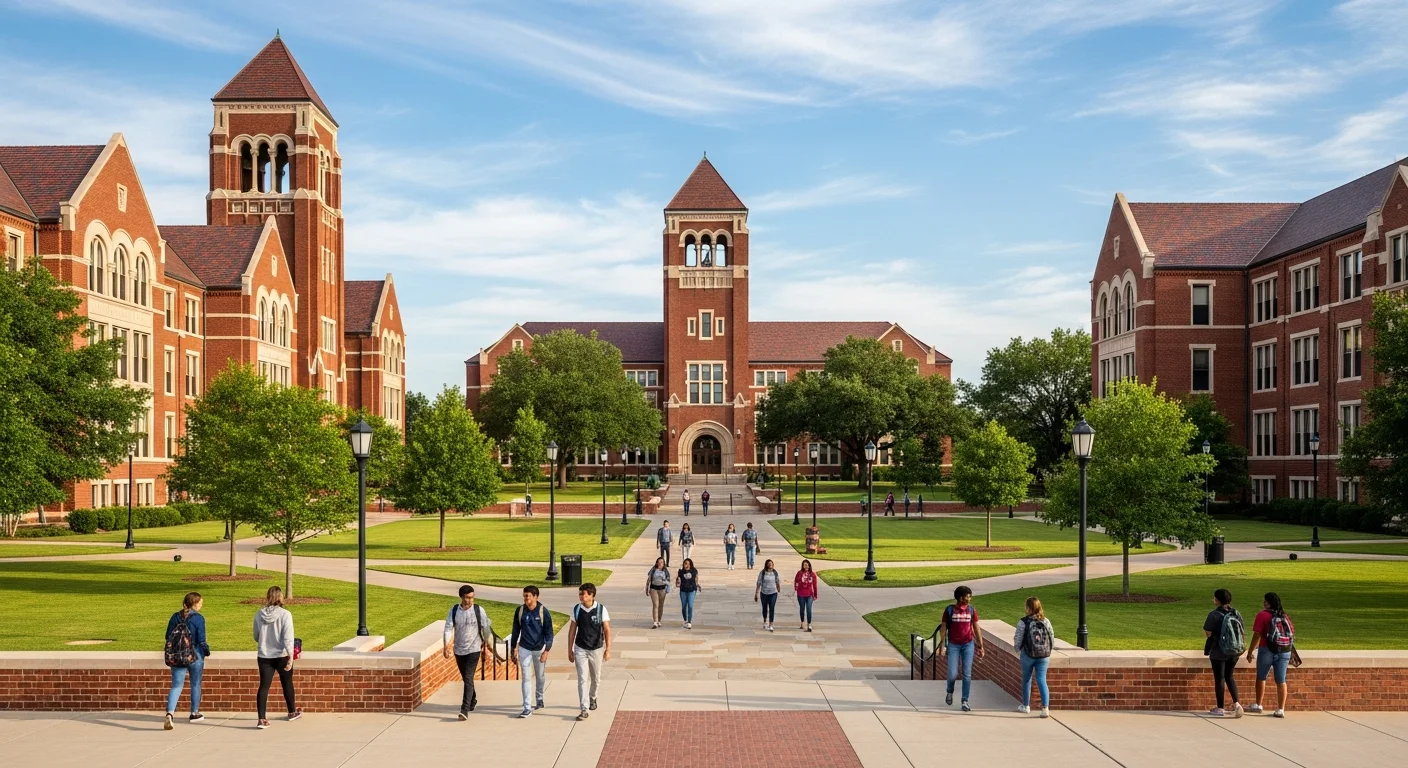

Oklahoma State University-Main Campus — Stillwater, OK

Key Distinction: Two-course capstone design sequence (ECEN 4013 and ECEN 4024). Electrical Fabrication Lab hands-on experience

Hakia Insight: OSU's two-course capstone (ECEN 4013 and 4024) paired with hands-on fabrication lab access means electrical engineering fundamentals aren't theoretical—students literally build and test hardware, a rare advantage for software engineers targeting embedded systems and IoT roles where hardware constraints determine software design.

The Bachelor of Science in Computer Engineering with Software Engineering concentration at OSU is a 128-credit program combining electrical engineering fundamentals with advanced software development. The curriculum includes core computer science courses (CS 1113, CS 2433, CS 3353), electrical engineering foundations (circuit analysis, digital logic), and specialized software engineering electives. Students complete a two-course capstone sequence (ECEN 4013 Design of Engineering Systems and ECEN 4024 Capstone Design) providing hands-on design experience. The program requires a minimum 2.00 GPA and 'C' or better in technical courses. Key coursework covers embedded systems, computer architecture, operating systems, and numerical methods with Python. Students gain practical experience through fabrication labs and Unix programming while building strong mathematical foundations through calculus, differential equations, and linear algebra.

Programs Offered
  • Computer Engineering: Software Engineering — 4 years, on-campus. BSCP
Research Labs and Institutes
  • School of Electrical and Computer Engineering research groups
Industry Partners
  • Microsoft (corporate)
  • Google (corporate)
  • Cisco (corporate)
  • IBM (corporate)
Admissions

GPA Requirement: 2.00.

Requirements: Minimum 2.00 overall GPA, Minimum 2.00 technical GPA, Grade of 'C' or better in specified technical courses, Complete major engineering design experience through capstone courses, At least 60 hours at four-year institution, At least 30 hours at OSU, 15 of final 30 hours or 50% of upper-division major hours at OSU

Accreditations and Certifications
  • ABET

Location Advantages: Strong tech recruiting from Dallas-Fort Worth and Austin corridorsOklahoma City tech sector proximityEstablished alumni networks at major tech companies nationwide

Cameron University — Lawton, OK

Key Distinction: Cameron's program emphasizes practical embedded systems and industrial software development, making it ideal for students targeting manufacturing, aerospace, and regional defense contractors.

Hakia Insight: Cameron's emphasis on embedded systems and industrial software isn't a consolation prize for students not targeting Big Tech—it's a direct pipeline to the aerospace and defense contractors surrounding Tinker Air Force Base, where Cameron graduates command higher starting salaries than peers from universities whose curricula assume cloud-first architecture.

At the bachelor's level, cameron University's software engineering program serves a mission-driven institution dedicated to accessibility and practical workforce preparation. The curriculum prioritizes hands-on development experience, systems programming, and embedded software—areas that feed demand in manufacturing, aerospace, and defense contracting across Oklahoma and the surrounding region. Students work with contemporary tools and frameworks while maintaining strong grounding in computer science fundamentals, ensuring they're equipped for both entry-level roles and advanced technical challenges. The program's engagement with regional employers means capstone projects often align with real employer needs, giving graduates immediate relevance in their first roles. For students seeking a direct path from degree to employment without research-heavy distractions, Cameron offers focused, competency-based education at an accessible cost.

Programs Offered
  • Bachelor of Science in Software Engineering — 4 years, on-campus
  • Bachelor of Arts in Software Engineering — 4 years, online
Industry Partners
  • Tinker Air Force Base (government)
Accreditations and Certifications
  • ABET accredited

Location Advantages: Proximity to Tinker Air Force Base (major aerospace/defense employer)Access to Oklahoma City tech employment marketRegional manufacturing and industrial sectors

Northeastern State University — Tahlequah, OK

Key Distinction: Northeastern State's program stands out for its commitment to accessibility and practical job-readiness, emphasizing portfolio-building projects and modern development practices for students entering the workforce.

Hakia Insight: Northeastern State's regional focus on Oklahoma City and Tulsa markets means graduates aren't competing nationally for entry-level roles—they're building portfolios directly for employers actively hiring in their backyard, a significant advantage for students who want to work locally post-graduation.

At the bachelor's level, northeastern State University's software engineering program prioritizes accessibility and real-world application in a learner-centered environment. The curriculum emphasizes practical software development methodologies, modern programming languages, and frameworks that align with entry-level job market demands. With a student-first approach, the program creates pathways for students from underrepresented backgrounds and non-traditional educational routes to succeed in technology careers. Capstone and project-based coursework ensure graduates build portfolios while still enrolled, giving them concrete work to discuss in interviews. The university's location in northeastern Oklahoma positions students near growing tech investments in the region while maintaining access to broader Oklahoma employment markets and potential pathways to larger tech hubs.

Programs Offered
  • Bachelor of Science in Software Engineering — 4 years, on-campus
  • Bachelor of Arts in Software Engineering — 4 years, online
Accreditations and Certifications
  • ABET accredited

Location Advantages: Regional employment opportunities in northeastern OklahomaAccess to Oklahoma City and Tulsa tech markets

University of Central Oklahoma — Edmond, OK

Key Distinction: UCO's program distinguishes itself through strategic industry partnerships in the Oklahoma City metro area, enabling students to build professional networks while completing their degree.

Hakia Insight: UCO's Edmond location gives it unusual access to Oklahoma City's emerging tech corridor without the brain drain that typically follows: students build networks with growing regional companies during their degree, then stay in roles they've already cultivated relationships within.

At the bachelor's level, UCO's software engineering program leverages the university's location in Edmond and proximity to Oklahoma City's emerging tech ecosystem to build strong connections between coursework and regional industry demand. The curriculum progresses from fundamental programming through advanced topics in software architecture, database systems, and cloud computing, with elective options allowing students to specialize in areas like mobile development or enterprise systems. Faculty members actively engage with local technology companies, bringing current industry practices into the classroom and creating internship opportunities that often convert to post-graduation employment. The program values both technical depth and communication skills, recognizing that software engineers must translate complex technical solutions to non-technical stakeholders. UCO graduates frequently remain in the Oklahoma region, building a strong alumni network within state-based tech companies and contributing to the state's software development talent pipeline.

Programs Offered
  • Bachelor of Science in Software Engineering — 4 years, on-campus
  • Bachelor of Arts in Software Engineering — 4 years, online

Location Advantages: Located in Edmond, within the Oklahoma City metropolitan tech corridorProximity to growing regional software and technology companies

Oklahoma Christian University — Edmond, OK

Key Distinction: Oklahoma Christian's software engineering program uniquely integrates ethical reasoning and user-centered design philosophy from the start, producing engineers who communicate as effectively as they code.

Hakia Insight: Oklahoma Christian's integration of ethics and user-centered design isn't window dressing—with Oracle, Intel, Salesforce, and Amazon as partners, students graduate able to discuss design tradeoffs in job interviews, a skill that separates them from peers who only write working code.

At the bachelor's level, oklahoma Christian's software engineering program leverages the university's liberal arts foundation to develop engineers who write not just functional code but *intentional* code—with attention to ethics, user impact, and team communication. The curriculum integrates courses on software process, quality assurance, and requirements analysis early, ensuring students graduate with understanding of the full value chain. Faculty often bring industry experience; courses frequently invite practitioners to share real case studies. Located in Oklahoma City, the program benefits from proximity to a growing tech corridor and established relationships with local tech employers, creating pathways to internships and jobs. Graduates from the program report strong confidence in professional communication and design justification—skills that often accelerate career progression beyond pure technical ability. The emphasis on *why* decisions are made, grounded in both technical reasoning and broader contextual understanding, distinguishes Oklahoma Christian alumni in hiring manager interviews.

Programs Offered
  • Bachelor of Science in Software Engineering — 4 years, on-campus
  • Bachelor of Arts in Software Engineering — 4 years, online
Research Labs and Institutes
  • CS Lab in Prince Engineering Center
  • Cybersecurity Center
Industry Partners
  • Oracle (collaborator)
  • Intel (collaborator)
  • Salesforce (collaborator)
  • Amazon (employer)
  • Boeing (employer)
  • Google (employer)
  • NASA (employer)
  • Lockheed Martin (employer)
  • Tinker Air Force Base (employer)
  • Paycom (employer)
  • IBM (employer)
  • Microsoft (employer)
  • Northrop Grumman (employer)
  • AT&T (employer)
  • FBI (employer)
Career Outcomes

Median Salary: $NaN.

Notable Faculty
  • Dr. David North — Computer Science
  • Curtis Coleman — Cybersecurity
  • Dr. Curtis Coleman — Computer Science
  • Dr. Justin Lewis — Computer Science
Accreditations and Certifications
  • CAE-CD (Center of Academic Excellence in Cyber Defense Education)
  • Higher Learning Commission

Location Advantages: Oklahoma City tech ecosystem; proximity to Fortune 500 regional offices and venture-backed startups

Best Master's Software Engineering Degree Programs in Oklahoma

University of Oklahoma-Norman Campus — Norman, OK

Key Distinction: Fully online program designed for working professionals. Flexible course lengths from 8-16 weeks

Hakia Insight: OU's 8-16 week variable course lengths are engineered for working professionals in a way most online programs aren't: you can frontload demanding systems courses during slower work periods, then coast through electives during project crunches, rather than maintaining constant pace.

The online Master of Science in Applied Computing is a 33-credit program designed for working professionals, offering flexible scheduling with courses ranging from 8-16 weeks and a combination of asynchronous learning and live online sessions. The program can be completed in as little as 21 months over five semesters. It covers advanced topics including artificial intelligence, machine learning, cybersecurity, algorithms, and data analytics. The fully online format provides convenience for working professionals seeking career advancement in technology fields. The curriculum balances theoretical and applied computer science concepts, preparing graduates for in-demand roles across various industries. No GRE is required, and applications are reviewed on an ongoing basis throughout the year, making it accessible for professionals looking to advance their careers.

Programs Offered
  • Master of Science in Applied Computing — 1-2 years, on-campus. MS
Research Labs and Institutes
  • Institute for Software Integrated Systems
Industry Partners
  • IBM (corporate)
  • Microsoft (corporate)
  • AT&T (corporate)
Admissions

GPA Requirement: 3.0 minimum. Application Deadline: Spring: September 1 (recommended August 15), Fall: April 1 (recommended March 15).

Requirements: Eleven courses totaling 33 credit hours, Bachelor's degree in computer science, engineering, IT, or related field, Minimum 3.0 GPA in prerequisite courses

Accreditations and Certifications
  • ABET accredited

Location Advantages: Proximity to Oklahoma City tech sectorAccess to Dallas-Fort Worth tech corridorGrowing cybersecurity and fintech hub in region

Oklahoma Christian University — Edmond, OK

Key Distinction: Coursework-only track with no thesis requirement. Four specialized emphasis areas including Software Engineering

Hakia Insight: Oklahoma Christian's coursework-only thesis-free model with four concentration tracks lets mid-career engineers complete a specialized master's in 30 credits without the 18-month research commitment, ideal for those betting on immediate return-to-work over publication records.

The Master of Science in Computer Science (M.S.C.S.) is a 30-credit hour coursework-based program with four concentration tracks including Software Engineering. The program requires a foundation in computer science with 12 hours of core courses plus 12 hours in the chosen emphasis area and 6 hours of electives. Students without a computer science background may be admitted with deficiencies requiring remedial coursework. The Software Engineering track includes advanced topics like system architecture, design patterns, and two capstone project courses. Prerequisites include experience with programming languages, data structures, operating systems, and related mathematics. The program prepares graduates for advanced careers in computer science and artificial intelligence applications.

Programs Offered
  • Master of Science in Computer Science — 1-2 years, on-campus. MS
Research Labs and Institutes
  • CS Lab in Prince Engineering Center
  • Cybersecurity Center
Industry Partners
  • Oracle (collaborator)
  • Intel (collaborator)
  • Salesforce (collaborator)
  • Amazon (employer)
  • Boeing (employer)
  • Google (employer)
  • NASA (employer)
  • Lockheed Martin (employer)
  • Tinker Air Force Base (employer)
  • Paycom (employer)
  • IBM (employer)
  • Microsoft (employer)
  • Northrop Grumman (employer)
  • AT&T (employer)
  • FBI (employer)
Career Outcomes

Median Salary: $NaN.

Notable Faculty
  • Dr. David North — Computer Science
  • Curtis Coleman — Cybersecurity
  • Dr. Curtis Coleman — Computer Science
  • Dr. Justin Lewis — Computer Science
Accreditations and Certifications
  • CAE-CD (Center of Academic Excellence in Cyber Defense Education)
  • Higher Learning Commission

Location Advantages: Oklahoma City tech ecosystem; proximity to Fortune 500 regional offices and venture-backed startups

University of Tulsa — Tulsa, OK

Key Distinction: Tulsa's program uniquely positions students at the intersection of traditional energy sector innovation and modern software architecture, with direct pipelines to companies modernizing legacy systems.

Hakia Insight: Tulsa's partnership ecosystem—ONEOK, ConocoPhillips, energy sector modernization pipelines—creates a rare advantage: while other schools chase fintech, students here graduate into Fortune 500 roles specifically tasked with rescuing legacy systems, a less competitive talent market with higher compensation ceilings.

At the master's level, the University of Tulsa's software engineering program thrives on small class sizes and mentorship-driven instruction that contrasts sharply with larger state programs. With an emphasis on advanced software architecture and design patterns, Tulsa's curriculum prepares students not just to write code, but to architect scalable systems from the ground up. The university's proximity to energy sector innovation—oil and gas companies headquartered in Tulsa increasingly rely on sophisticated software solutions for reservoir modeling, supply chain optimization, and digital transformation—creates unique internship and career pathways unavailable elsewhere. Faculty expertise spans software verification, secure software development, and real-time systems, with opportunities for undergraduates to contribute to meaningful research. The program's relatively small cohort size means genuine industry networking opportunities and close faculty engagement, fostering a culture where student success is individually tracked and supported.

Programs Offered
  • Master of Science in Software Engineering — 1-2 years, on-campus
  • Master of Arts in Software Engineering — 1-2 years, online
Research Labs and Institutes
  • Center for Security Studies and Applied Research
Industry Partners
  • Oneok (corporate)
  • Tulsa Technology Center (nonprofit)
  • ConocoPhillips (corporate)
Admissions

GPA Requirement: 3.0/4.0 with master's degree or 3.5/4.0 with bachelor's degree.

Accreditations and Certifications
  • ABET accredited

Location Advantages: Gateway to Tulsa's energy sector software innovationDirect connections to Fortune 500 companies modernizing digital infrastructureRegional tech growth in aerospace and defense contracting

University of Central Oklahoma — Edmond, OK

Key Distinction: UCO's program distinguishes itself through strategic industry partnerships in the Oklahoma City metro area, enabling students to build professional networks while completing their degree.

Hakia Insight: UCO's master's program replicates its bachelor's strength: Oklahoma City's tech ecosystem is growing *around* the university rather than despite it, meaning your cohort becomes your professional network in a region where everyone's still building (unlike saturated coastal markets).

At the master's level, UCO's software engineering program leverages the university's location in Edmond and proximity to Oklahoma City's emerging tech ecosystem to build strong connections between coursework and regional industry demand. The curriculum progresses from fundamental programming through advanced topics in software architecture, database systems, and cloud computing, with elective options allowing students to specialize in areas like mobile development or enterprise systems. Faculty members actively engage with local technology companies, bringing current industry practices into the classroom and creating internship opportunities that often convert to post-graduation employment. The program values both technical depth and communication skills, recognizing that software engineers must translate complex technical solutions to non-technical stakeholders. UCO graduates frequently remain in the Oklahoma region, building a strong alumni network within state-based tech companies and contributing to the state's software development talent pipeline.

Programs Offered
  • Master of Science in Software Engineering — 1-2 years, on-campus
  • Master of Arts in Software Engineering — 1-2 years, online

Location Advantages: Located in Edmond, within the Oklahoma City metropolitan tech corridorProximity to growing regional software and technology companies

Oral Roberts University — Tulsa, OK

Key Distinction: ORU's program is uniquely distinguished by its integration of ethical reasoning and values-based decision-making into software engineering education, preparing graduates who combine technical skill with professional integrity.

Hakia Insight: ORU's ethical reasoning integration into technical courses isn't religious messaging—it's explicit professional positioning: in a field plagued by burnout and ethical scandals, graduates market themselves as engineers who ask 'should we?' before 'can we?', a differentiator in senior hiring.

At the master's level, oral Roberts University's computer science and engineering programs are distinguished by their integration of ethical reasoning and values-based decision-making into technical curricula—a distinctive approach that reflects ORU's institutional mission. The software engineering focus within the computer science program emphasizes not just how to build software, but how to build it responsibly, considering impacts on users and society. Coursework progresses from programming fundamentals through advanced topics in software design, testing, and project management, with particular emphasis on professional ethics in technology. ORU's location in Tulsa provides students access to a regional technology community and companies seeking engineers who combine strong technical skills with professional integrity. The program attracts students who value both technical excellence and a learning environment that situates technology within a broader ethical and humanistic framework, preparing graduates who are as thoughtful about the implications of their work as they are skilled in its execution.

Programs Offered
  • Master of Science in Software Engineering — 1-2 years, on-campus
  • Master of Arts in Software Engineering — 1-2 years, online

Location Advantages: Located in Tulsa, Oklahoma's second-largest technology hub with growing software development sector

Best Doctoral Software Engineering Degree Programs in Oklahoma

University of Oklahoma-Norman Campus — Norman, OK

Key Distinction: Research areas span Systems, Theory, AI/ML, and People & Data. General examination requirement

Hakia Insight: OU's doctoral program straddles four research areas (Systems, Theory, AI/ML, People & Data) with explicit IBM, Microsoft, and AT&T partnerships, meaning your dissertation likely ships into production rather than sitting on a shelf—rare leverage for PhD graduates negotiating industry roles.

The doctoral program in Computer Science at OU requires a minimum of three years full-time study beyond the bachelor's degree, with at least 30 hours of coursework and 45 hours of dissertation research (90 total hours minimum). All doctoral students must pass a general examination in their major field. The program offers research breadth areas in Systems, Theory, AI/ML, and People & Data, with courses spanning distributed systems, machine learning, computer security, bioinformatics, and human-computer interaction. Students work with a doctoral committee that sets specific requirements in conformance with Graduate College rules. However, no specific information is provided about funding packages, stipend amounts, faculty ratios, average time to degree, publication expectations, or post-graduation placement rates.

Programs Offered
  • Doctoral Degree in Computer Science — 4-6 years, on-campus. PhD
Research Labs and Institutes
  • Institute for Software Integrated Systems
Industry Partners
  • IBM (corporate)
  • Microsoft (corporate)
  • AT&T (corporate)
Admissions

GPA Requirement: 3.0 minimum. Application Deadline: Spring: September 1 (recommended August 15), Fall: April 1 (recommended March 15).

Requirements: Minimum 30 hours of coursework, Minimum 45 hours of dissertation research, General examination in major field, Doctoral committee approval

Accreditations and Certifications
  • ABET accredited

Location Advantages: Proximity to Oklahoma City tech sectorAccess to Dallas-Fort Worth tech corridorGrowing cybersecurity and fintech hub in region

University of Tulsa — Tulsa, OK

Key Distinction: Research internship strongly encouraged (3+ months in industry/government labs). No foreign language requirement

Hakia Insight: Tulsa's strongly-encouraged 3+ month industry research internship requirement means you're completing your dissertation *inside* a working engineering organization, not after—a structural advantage that transforms your PhD into immediate senior engineering credibility upon graduation.

The University of Tulsa's Computer Science Ph.D. program requires a minimum of 72 credit hours beyond the baccalaureate, with 18 research and dissertation hours. Students must pass comprehensive exams in 4 of 9 foundational areas including Algorithms, AI, Software Engineering, and Information Assurance. The program includes qualifying examinations with both written and oral components, plus a research proposal defense. A one-year full-time residency is required. Students are strongly encouraged to complete a research internship of at least 3 months in industry or government labs. The program expects scholarly publications suitable for peer-reviewed journals and emphasizes independent research capability. No specific funding details, stipend amounts, or post-graduation placement statistics are provided.

Programs Offered
  • Computer Science, Ph.D. — 4-6 years, on-campus. Ph.D.
Research Labs and Institutes
  • Center for Security Studies and Applied Research
Industry Partners
  • Oneok (corporate)
  • Tulsa Technology Center (nonprofit)
  • ConocoPhillips (corporate)
Admissions

GPA Requirement: 3.0/4.0 with master's degree or 3.5/4.0 with bachelor's degree.

Requirements: Minimum 18 research and dissertation hours, Minimum 48 credit hours in coursework and independent study, 27 graduate computer science hours with 21 at 7000-level or above, 6 graduate mathematics hours, Comprehensive exams in 4 foundational areas, Qualifying examination with written and oral components, Research proposal and scholarly report, One-year full-time residency

Accreditations and Certifications
  • ABET accredited

Location Advantages: Gateway to Tulsa's energy sector software innovationDirect connections to Fortune 500 companies modernizing digital infrastructureRegional tech growth in aerospace and defense contracting